

Tried and Tru-Spec
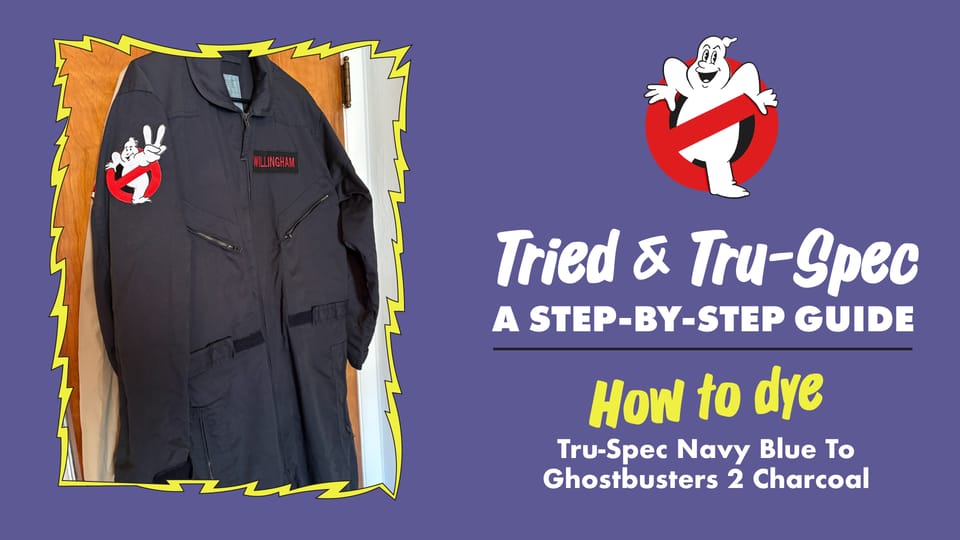
So after giving up on the Propper, I moved to a Tru-Spec. This time I got a really great result that I am very happy with. It has that blue tint in certain lights, looks nearly black in rooms with softer light, and is a dark grey in most others. I’m hoping that, with Rit creating a charcoal grey dye, stripping out some of the blue and soaking in the charcoal grey will get me the desired results.
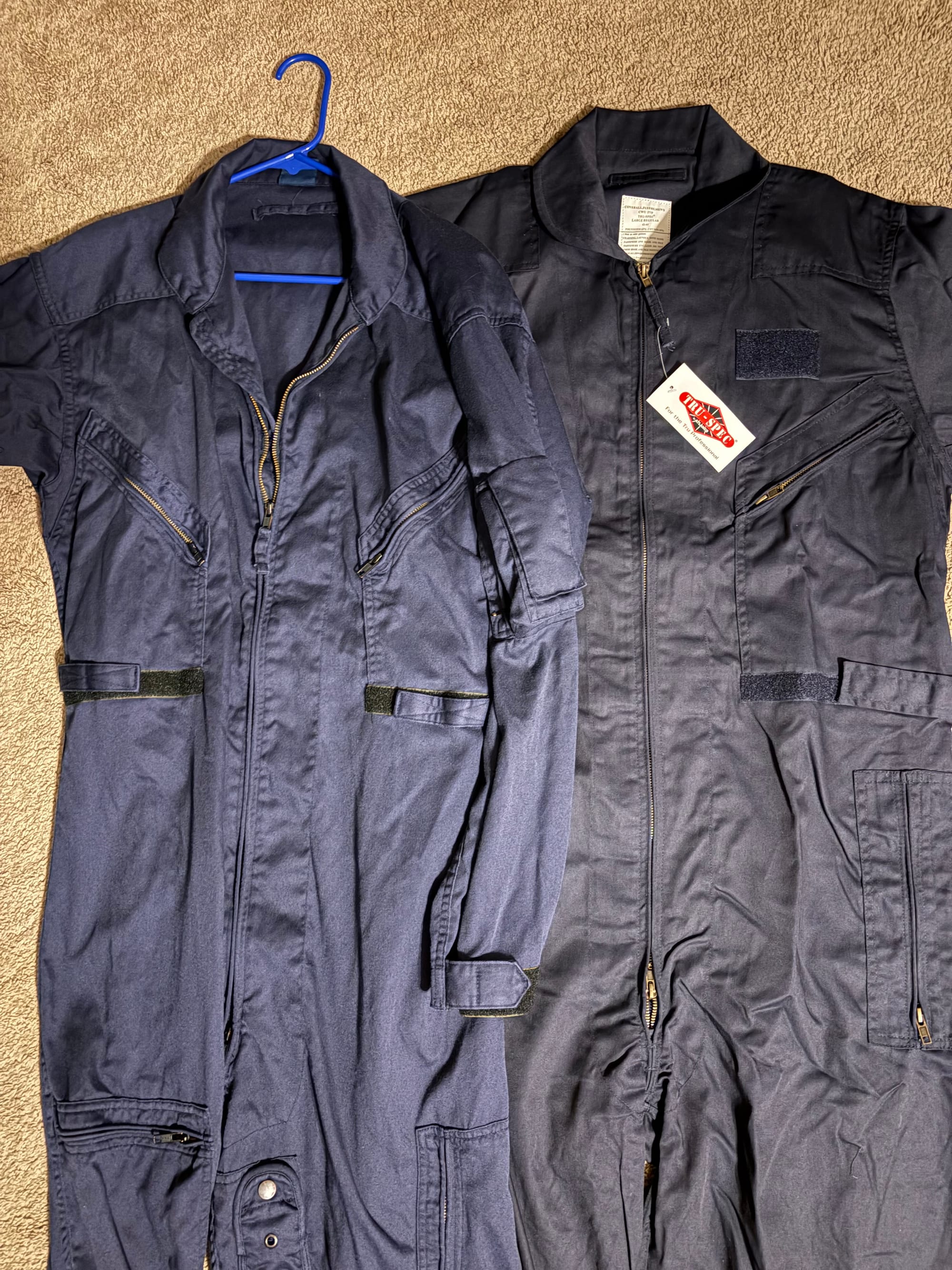
First, let's talk color.
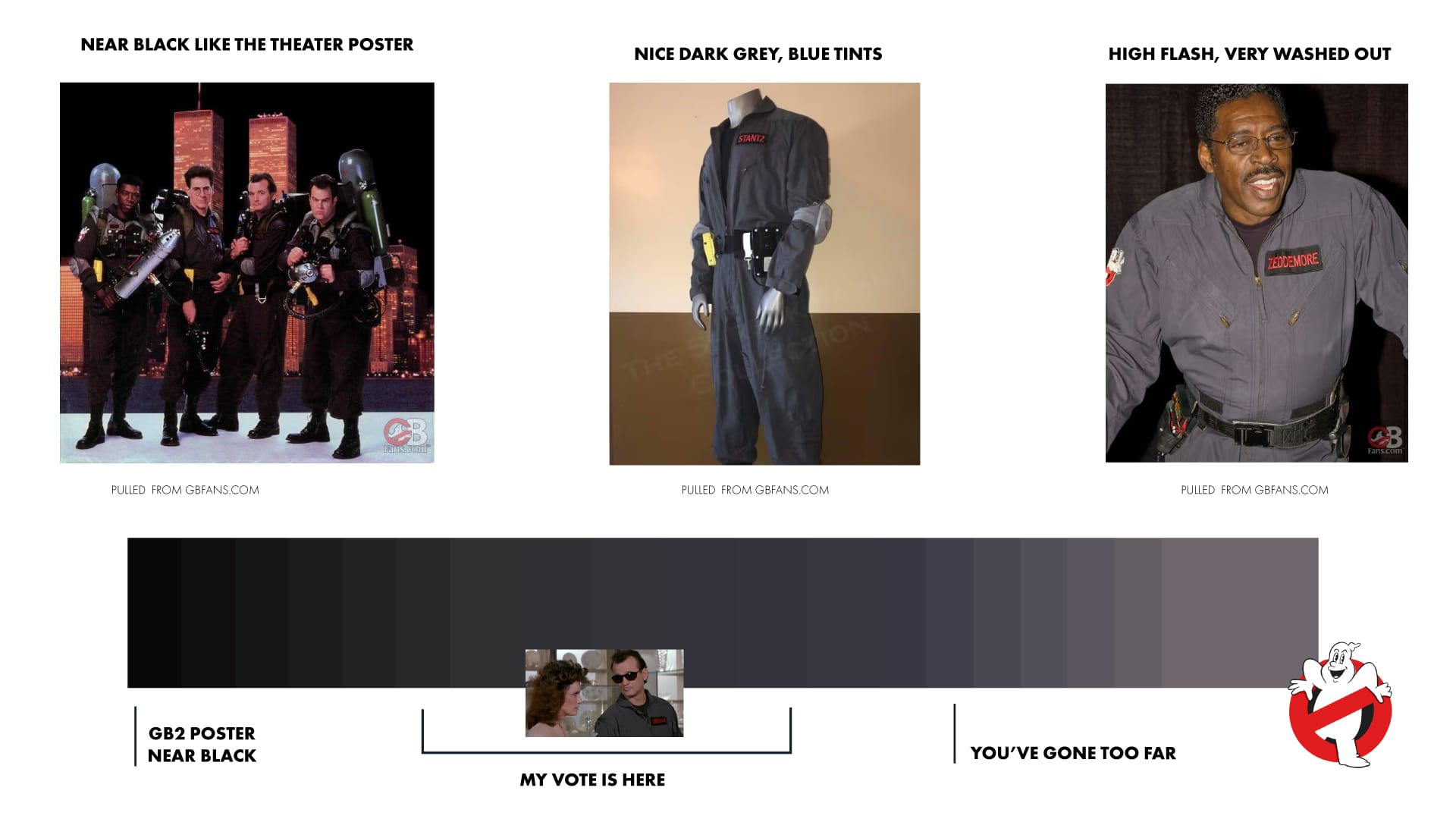
As a personal opinion, I think most people tend to go too light or too grey with their suits. I’ve never seen a GB2 suit in person, but in many images we have from private collections, film, and promotional material, the suits are a dark blue-grey. There are images I have seen of the suits having a lighter grey color, like some from Ernie at a convention, and a couple in a private collection, but they tend to be a little washed out, and we don’t always know how well these suits were maintained since 1989. So I tend to default a little darker, especially with the first dye, as our home-dyed suit will fade over time. The Rothco I dyed in 2009 is far too light now; it's essentially just a flat gray.
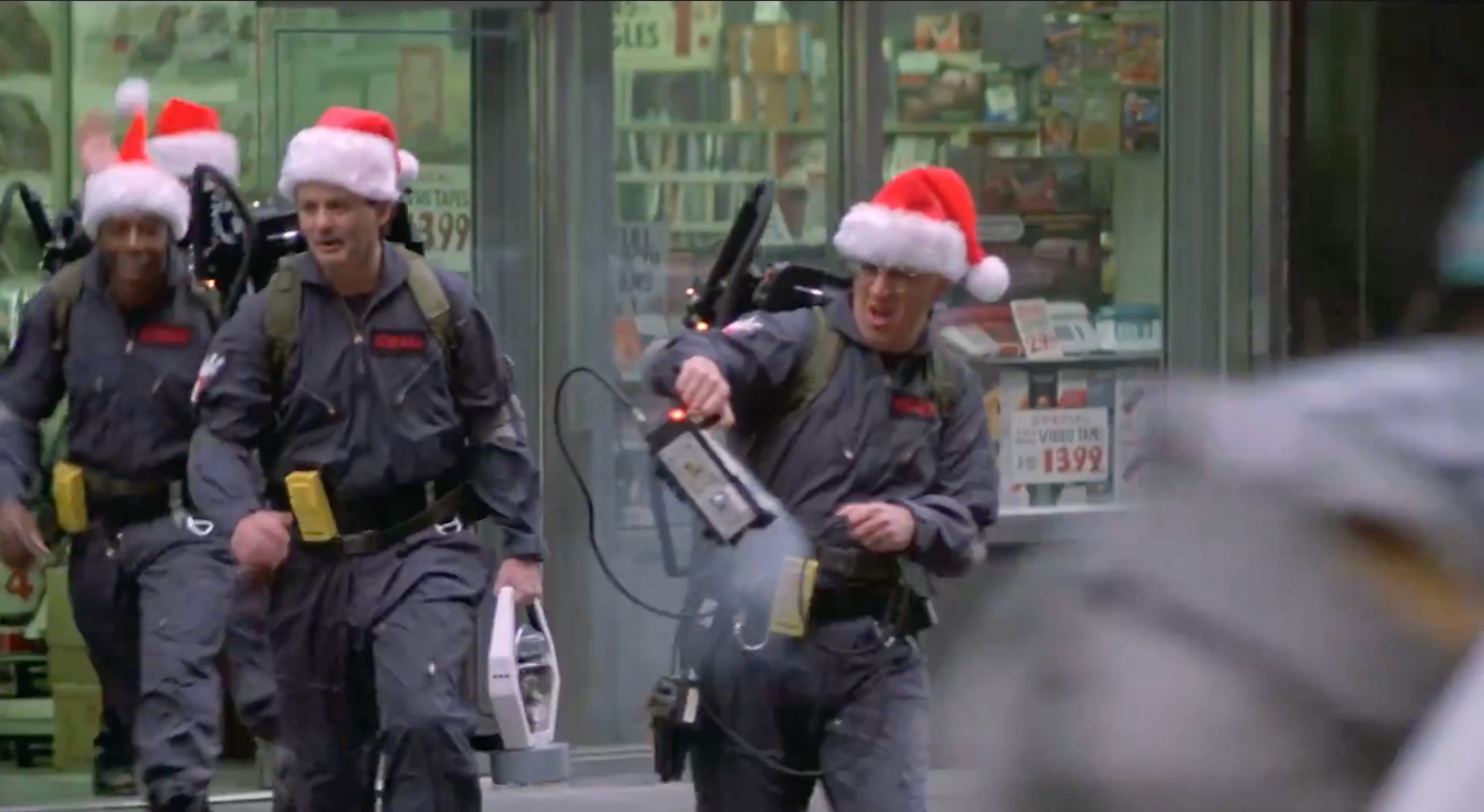
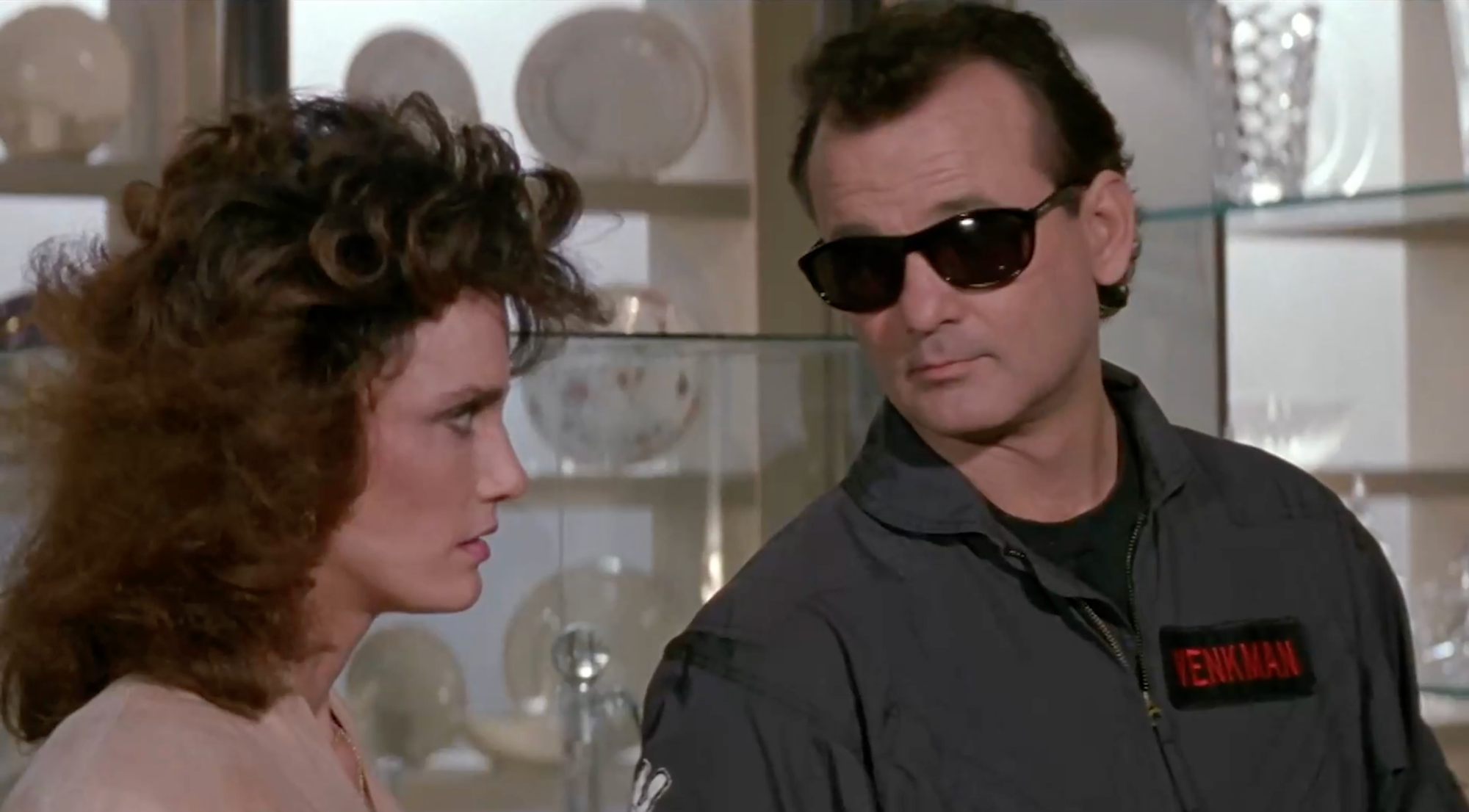
Screen grabs from the GB2 montage. Notice the blue skew but dark grey tint outdoors and the dark grey look indoors.
So here is a visual guide to where I think the suits fall in a color gamut.
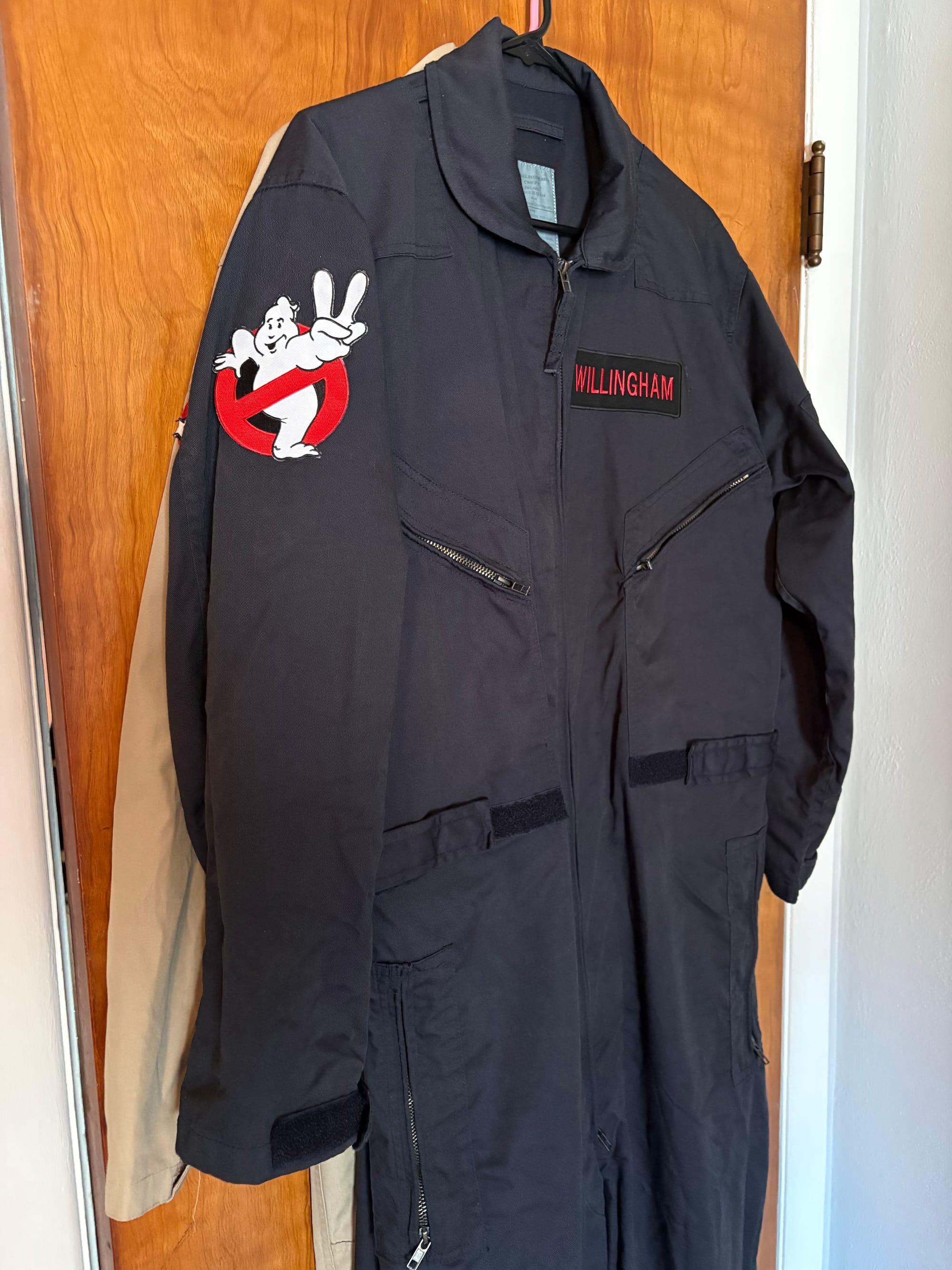
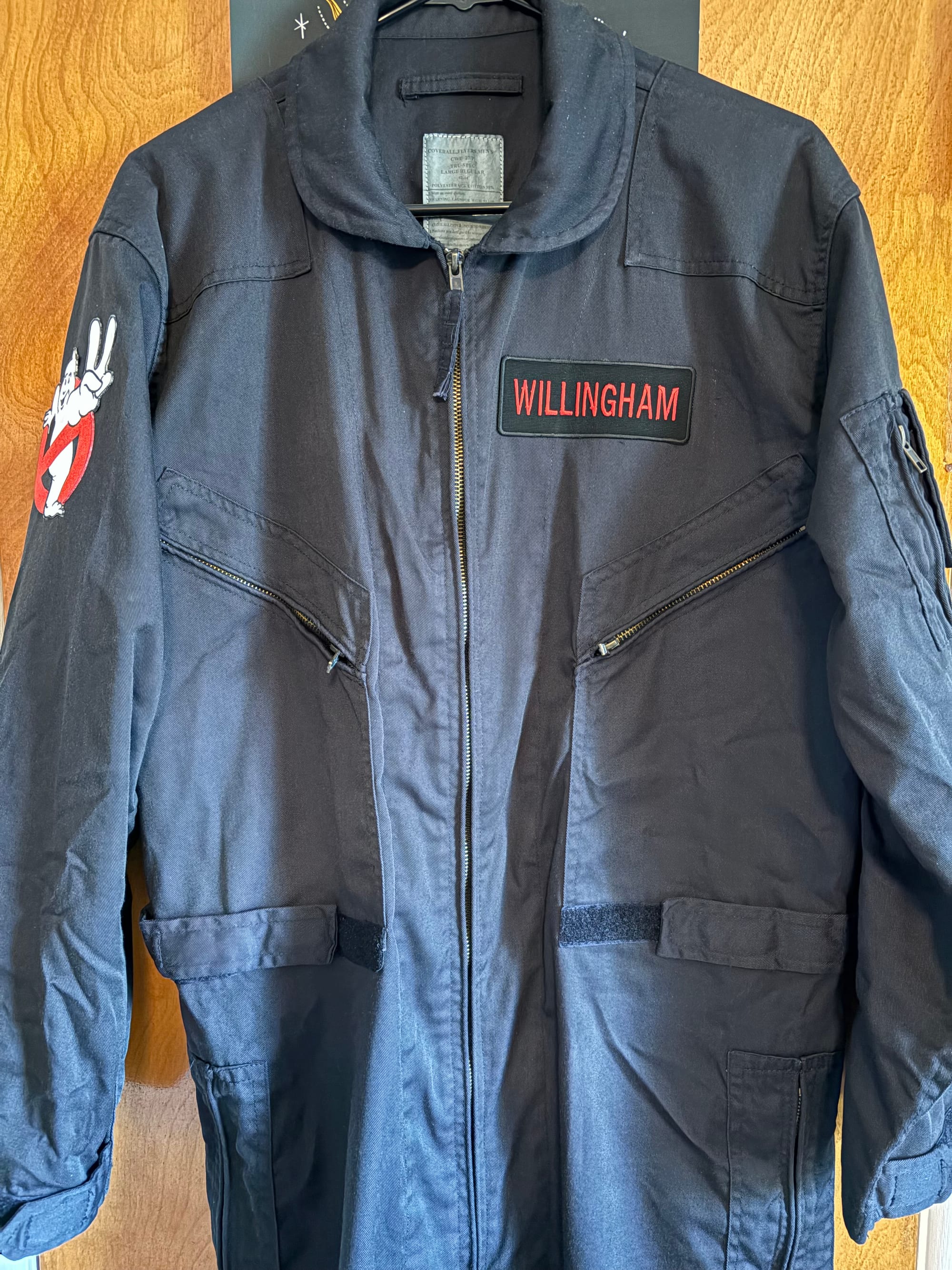
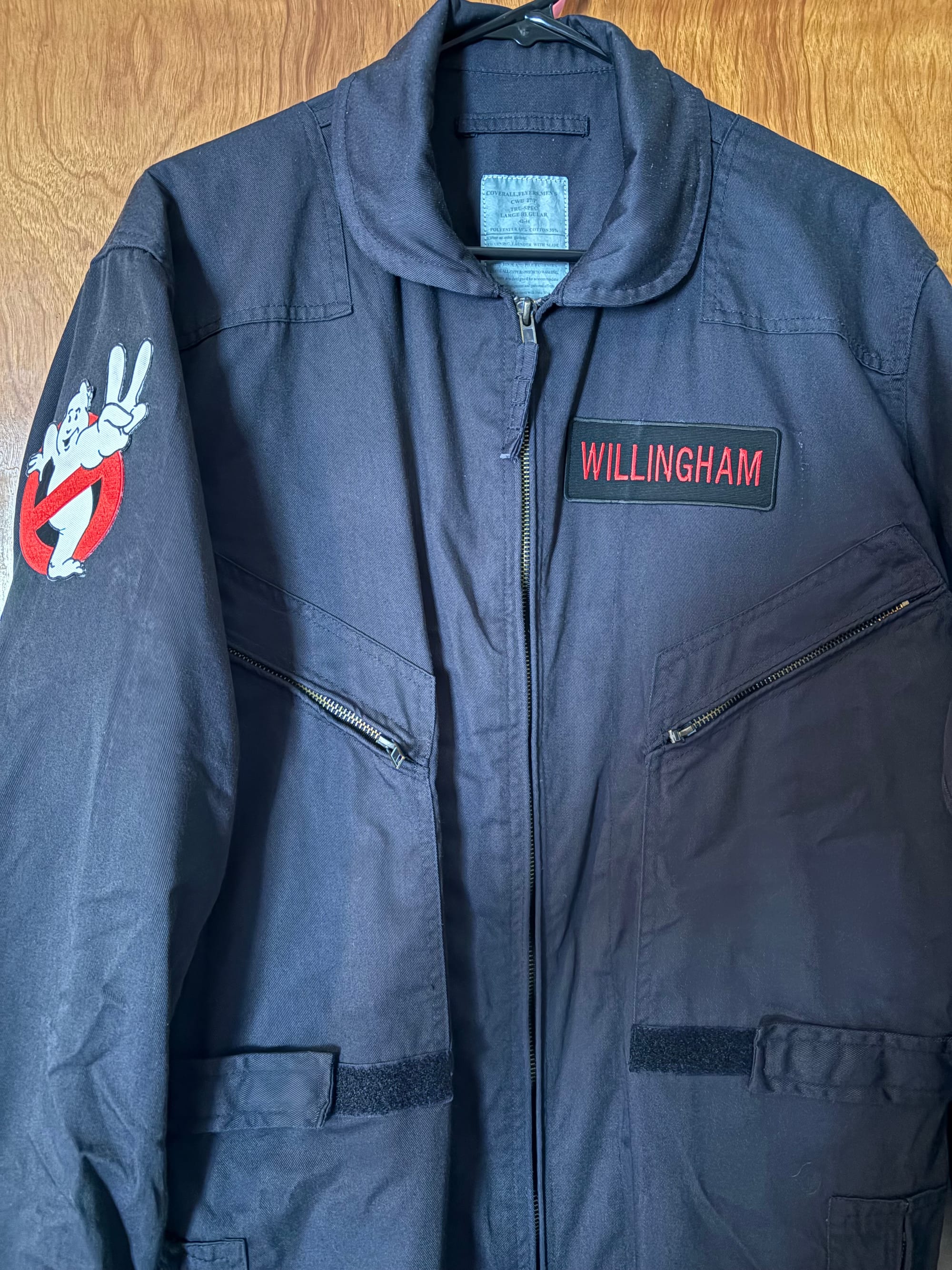
Now, here is my result with the following recipe.
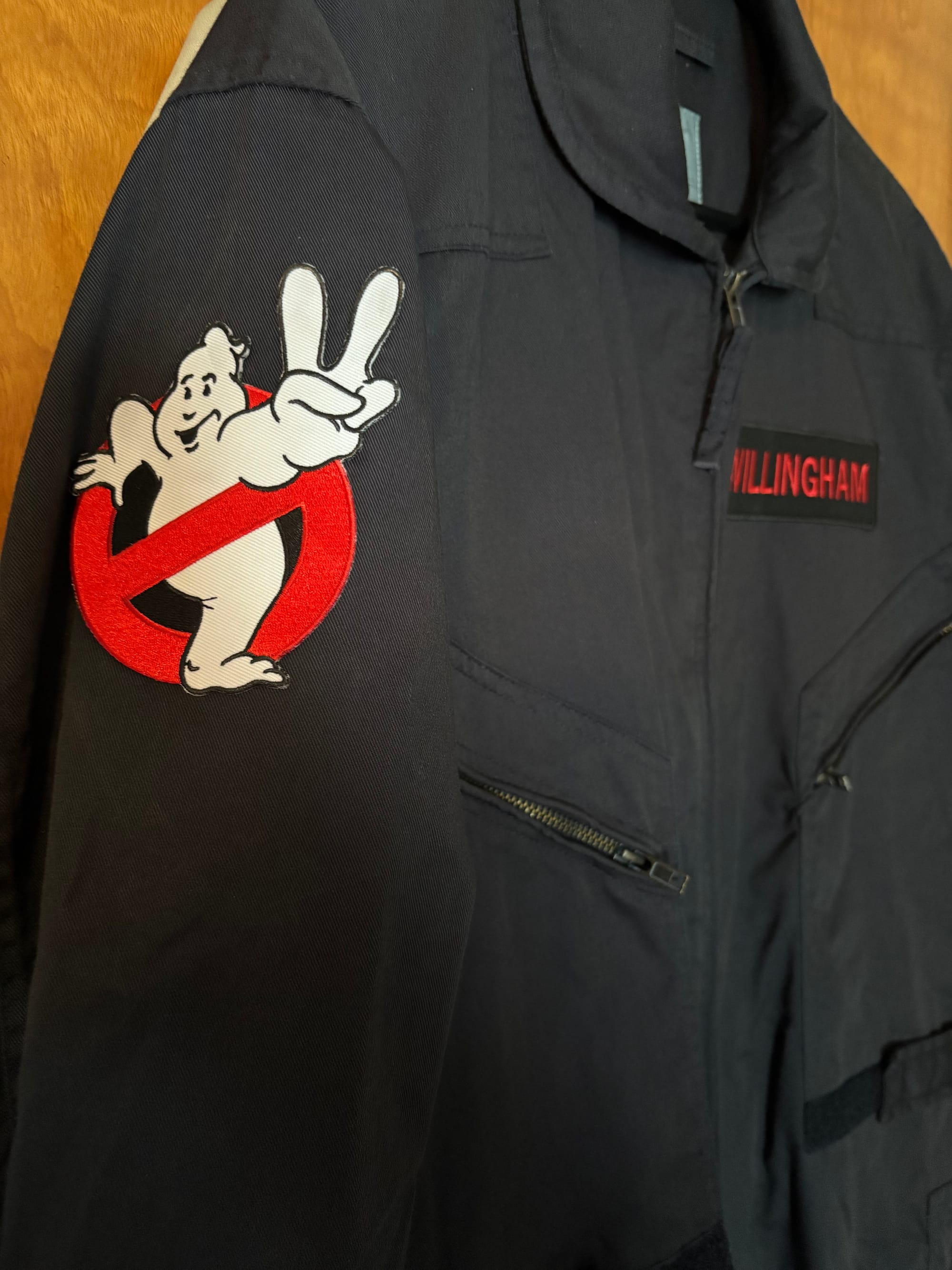
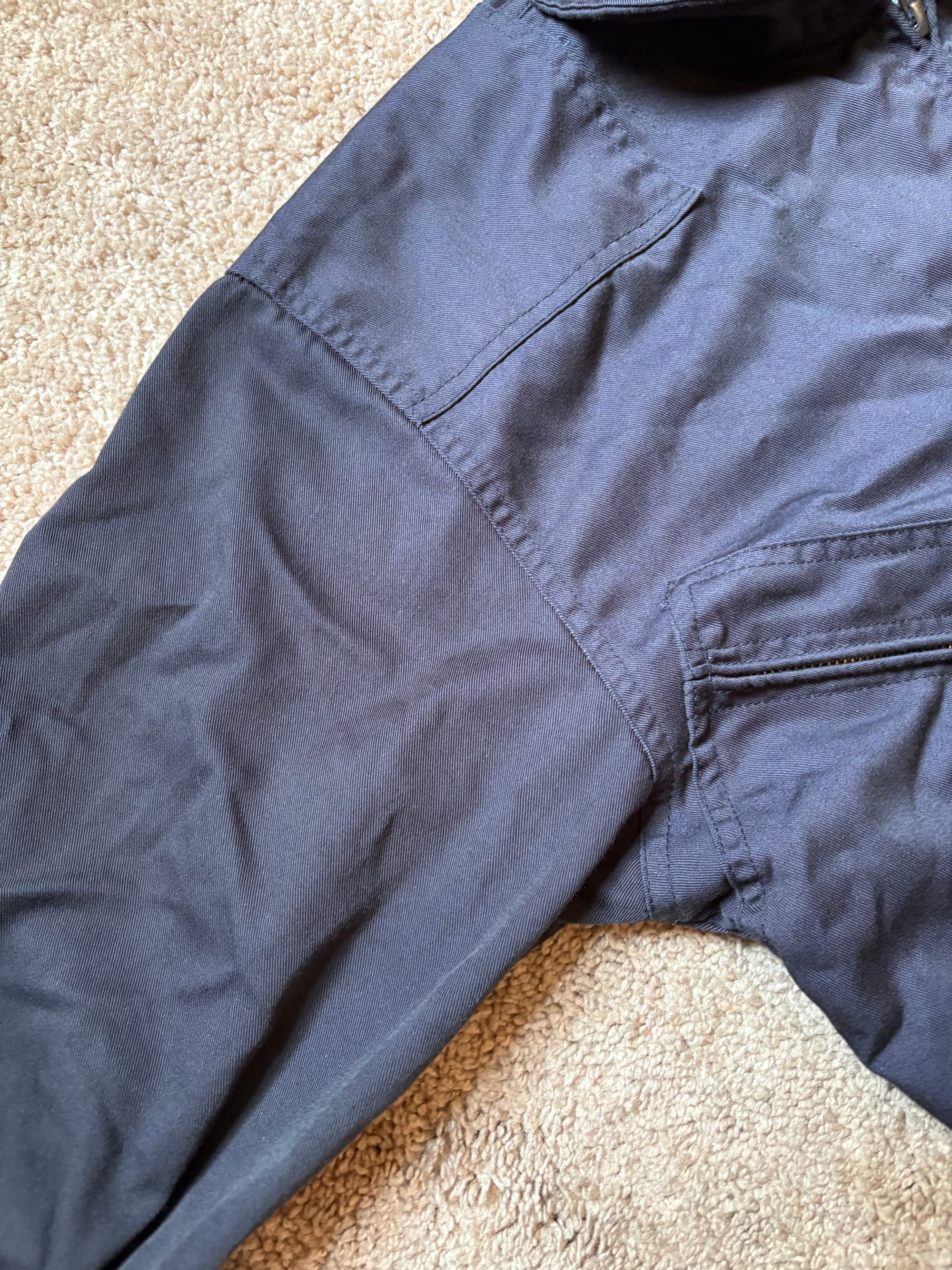
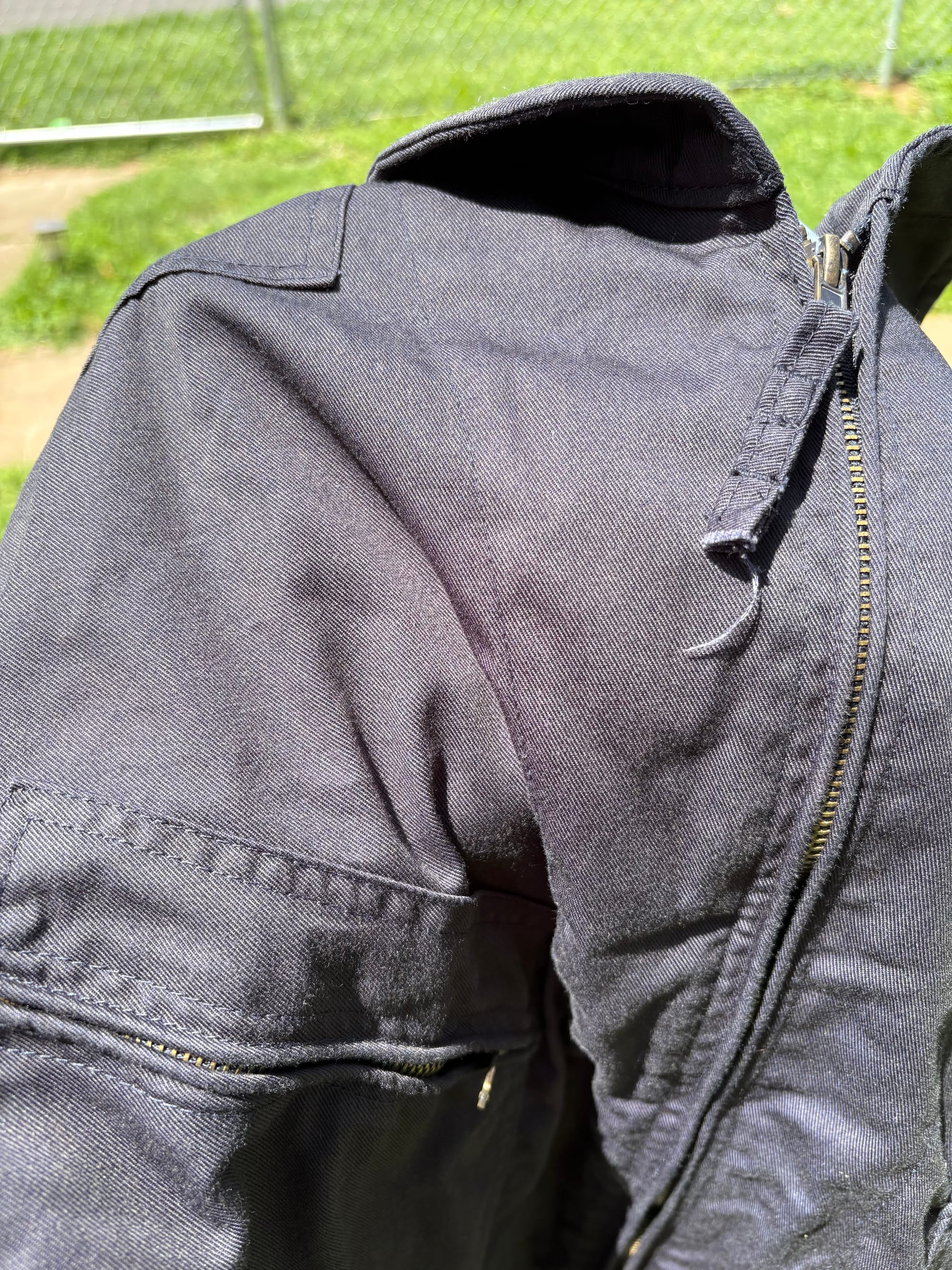
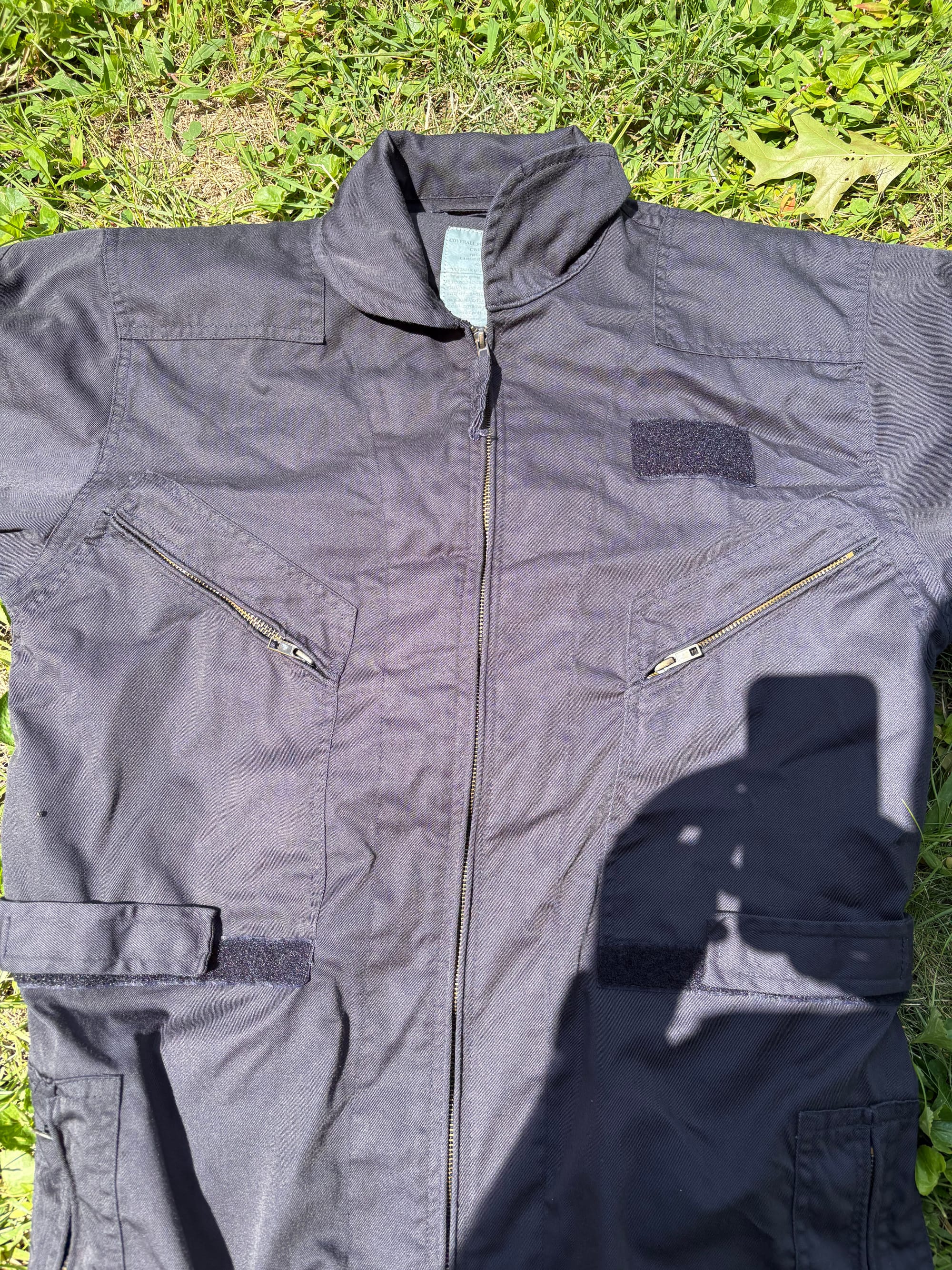
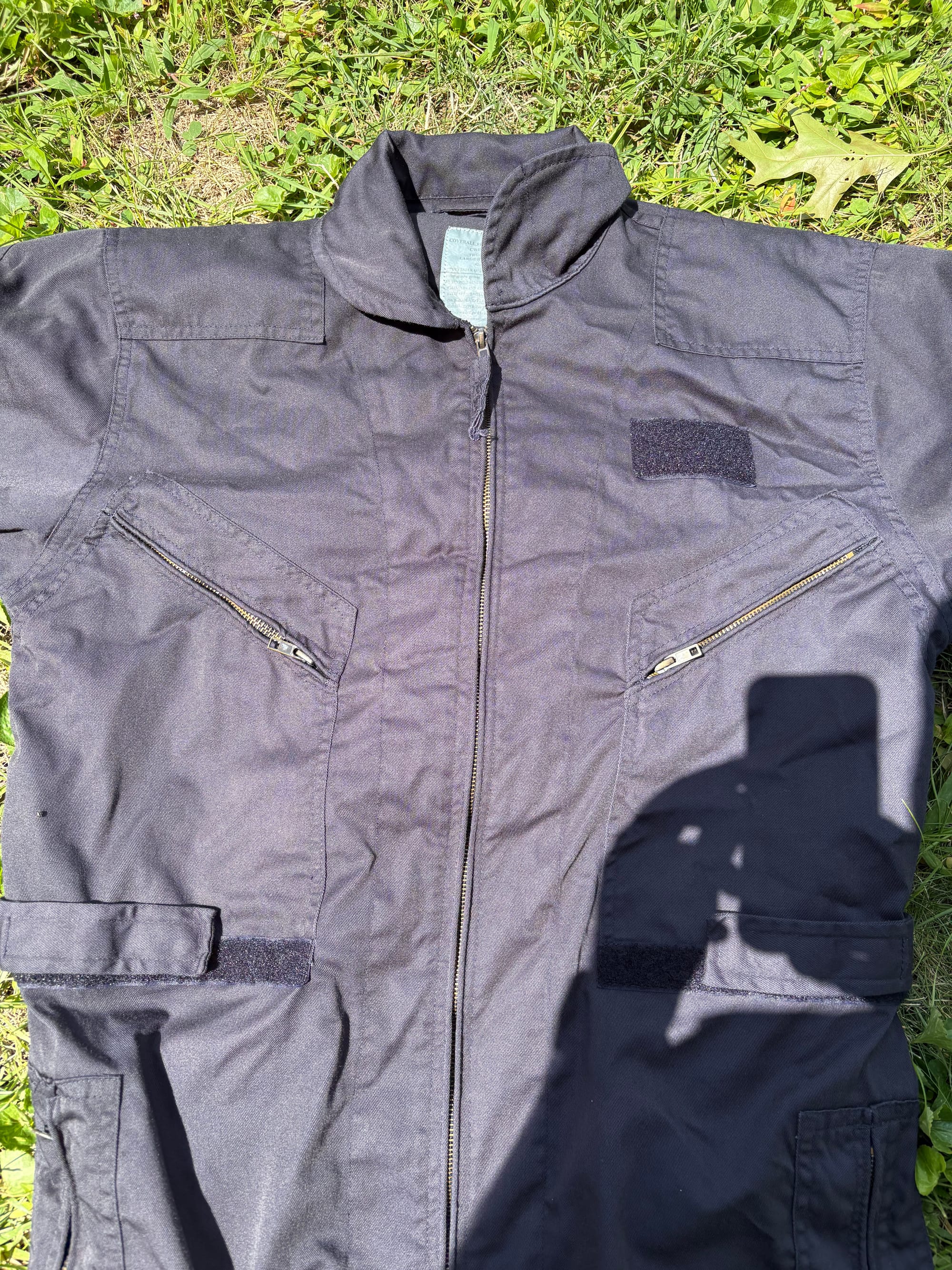
As you can see, it went from a very dark navy blue to this enigmatic color. Indoors, the newly dyed suit is a dark grey; with some brighter light or sun through a window, there is a bit of that blue. Outdoors it gets much lighter grey, still with that blue skew to it. I think this is fairly close to the reference photos. If anything, it might be a touch too dark, but I’d rather too dark than too blue or too light gray, so I’m happy with this. It will likely fade a shade after a few washes anyway.
The Tutorial
People have been dyeing Tru-Spec flight suits for a long time. I knew this would work in some capacity, but I was really hoping they didn’t change anything about their suits’ construction that would hinder me again. Since I already have 1 lb (maybe now half a pound) of Tru-Spec Proline, this set of instructions uses that, but you should be able to do this with regular Rit color remover you can get at craft stores.
Supplies:
- Rit Proline Color Remover (1 lb bag) or 4 to 6 of regular Rit Color Remover.
- One bottle of Rit Charcoal Grey
- One bottle of Rit Color Stay
- A large tub or bucket - Must hold 4 gallons of water and the suit.
- Stock pot to boil water
- Rubber gloves
- Something to stir with
- Detergent, bleach, and laundry whitening agent (like Oxy Clean)
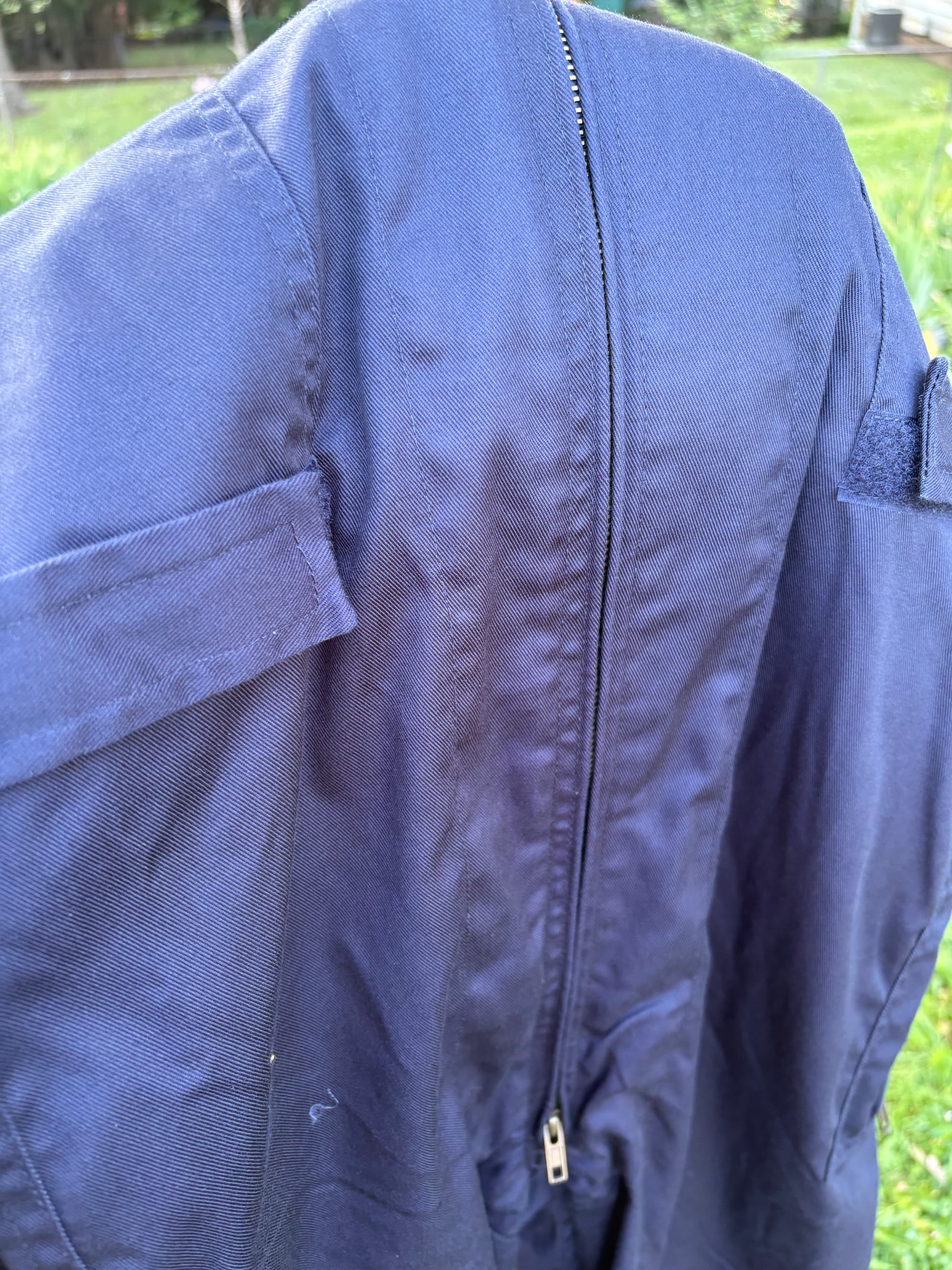
Step 1: Wash and dry your flight suit.
Using the hot setting on your washer, a detergent of your choice, and some whitening solution (like Oxy Clean), wash your flight suit and dry it. The goal here is to loosen up the fabric and remove any other chemicals on it. Just trying to let the color remover work without anything getting in the way.
Step 2: Color strip
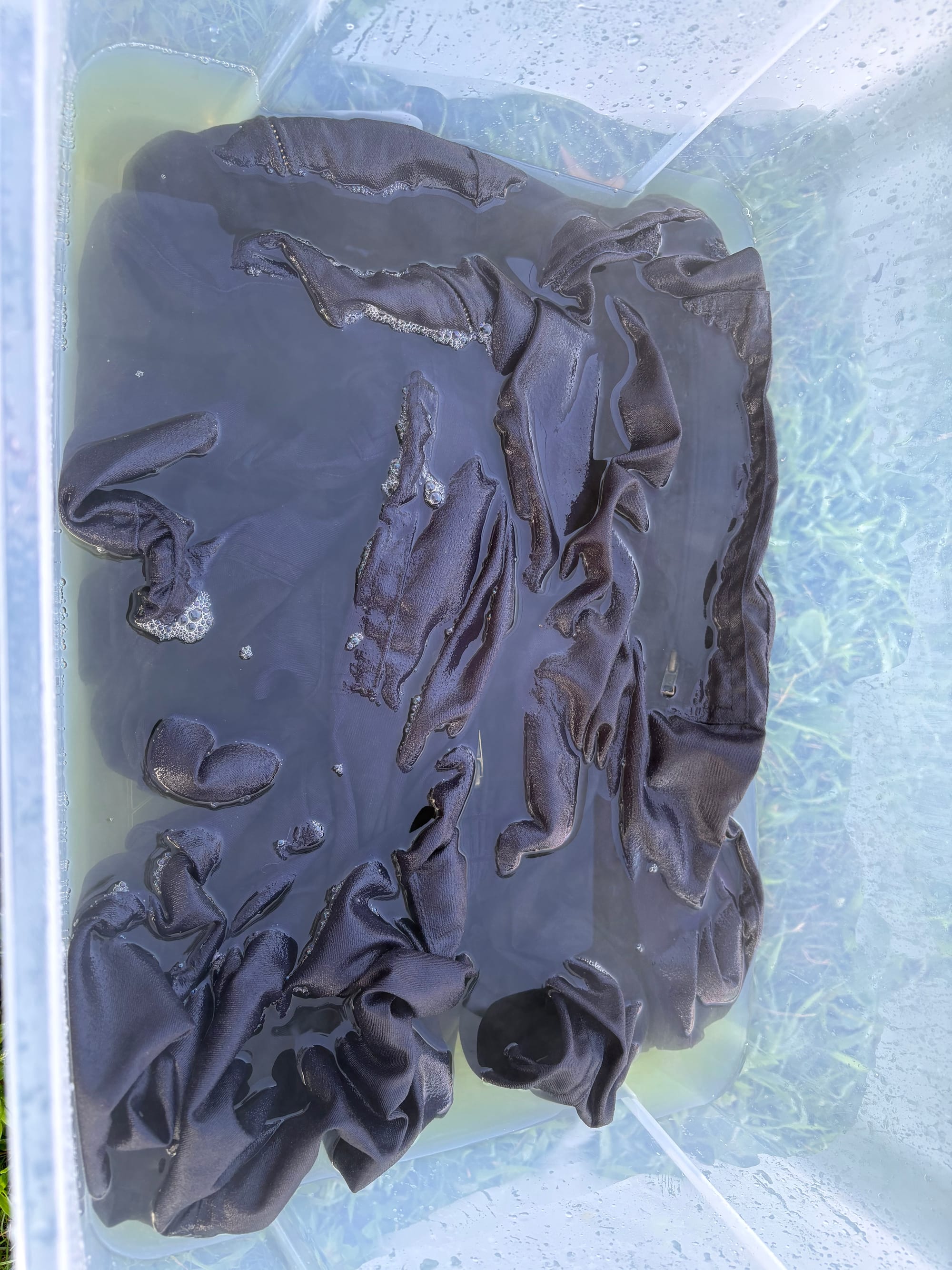
Outside in a bucket or plastic tub that can hold about 4 gallons of water and your flight suit, add 4 scoops of Rit Proline Color Remover. Then boil your 4 gallons of water (I did two 8Qt stock pots). It does not need to be a full or rolling boil; once it's bubbling, it's hot enough. Very carefully take that water to your tub and pour it in (take care not to breathe the vapor), and mix any remaining color remover into the water. Now slowly dunk your suit into the water, and stir it until it is well coated. There will be some trapped air, and you’ll have some fabric floating; that is fine. Every 15 mins or so, go stir it up. I left my entire suit in the bath for 1 hour.
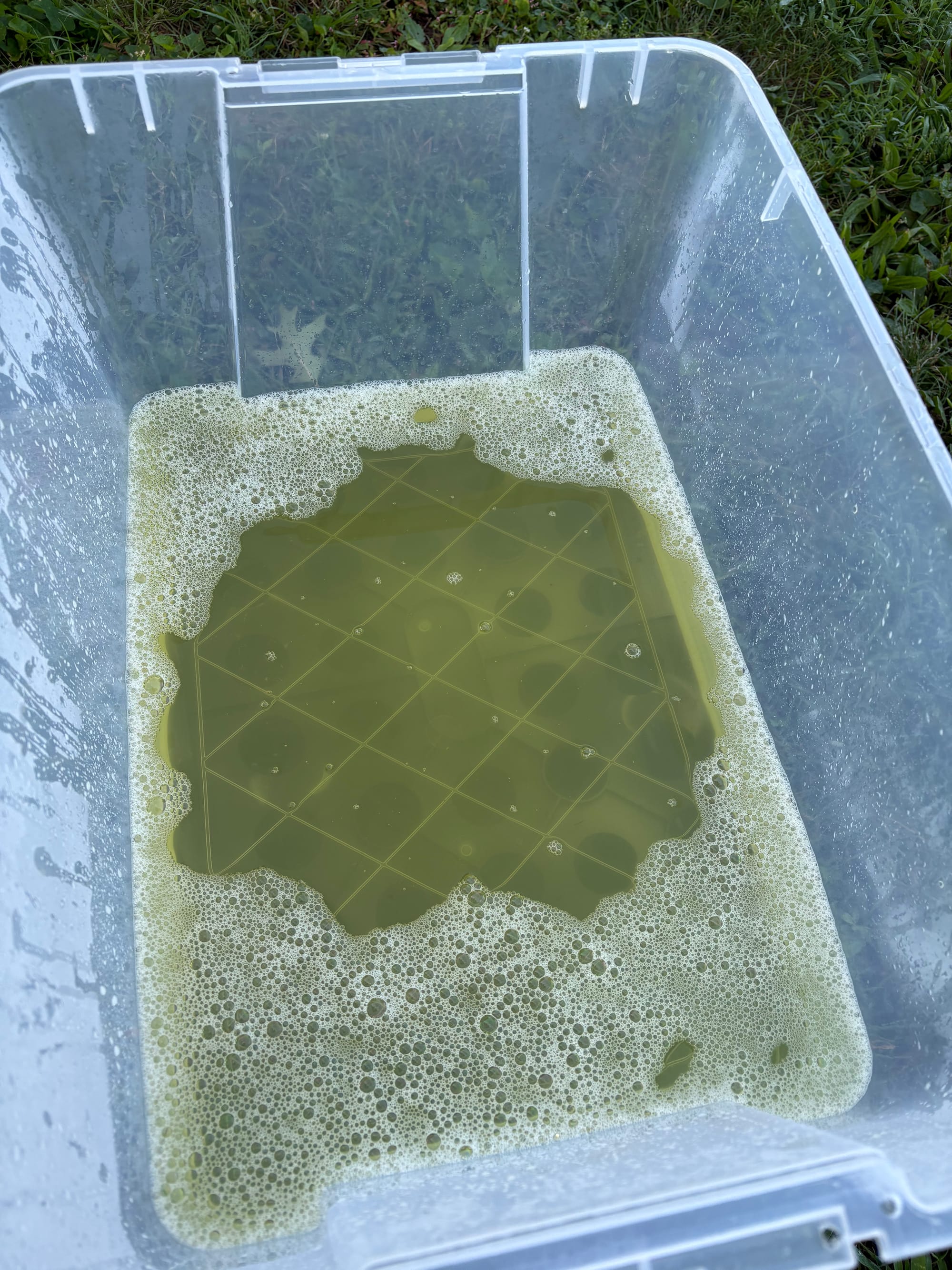
After that hour, when it is cool enough to put your hands in the water, put on some rubber gloves and really get in there and agitate the suit. Give it some good squeezes and stir it up for a few minutes. Then pull the suit out and squeeze out as much excess water as you can. Set it aside on something that the color remover won’t ruin. Your water should hopefully be anything but clear; mine was surprisingly a classic Gatorade yellow.
Step 3: Wash and Dry
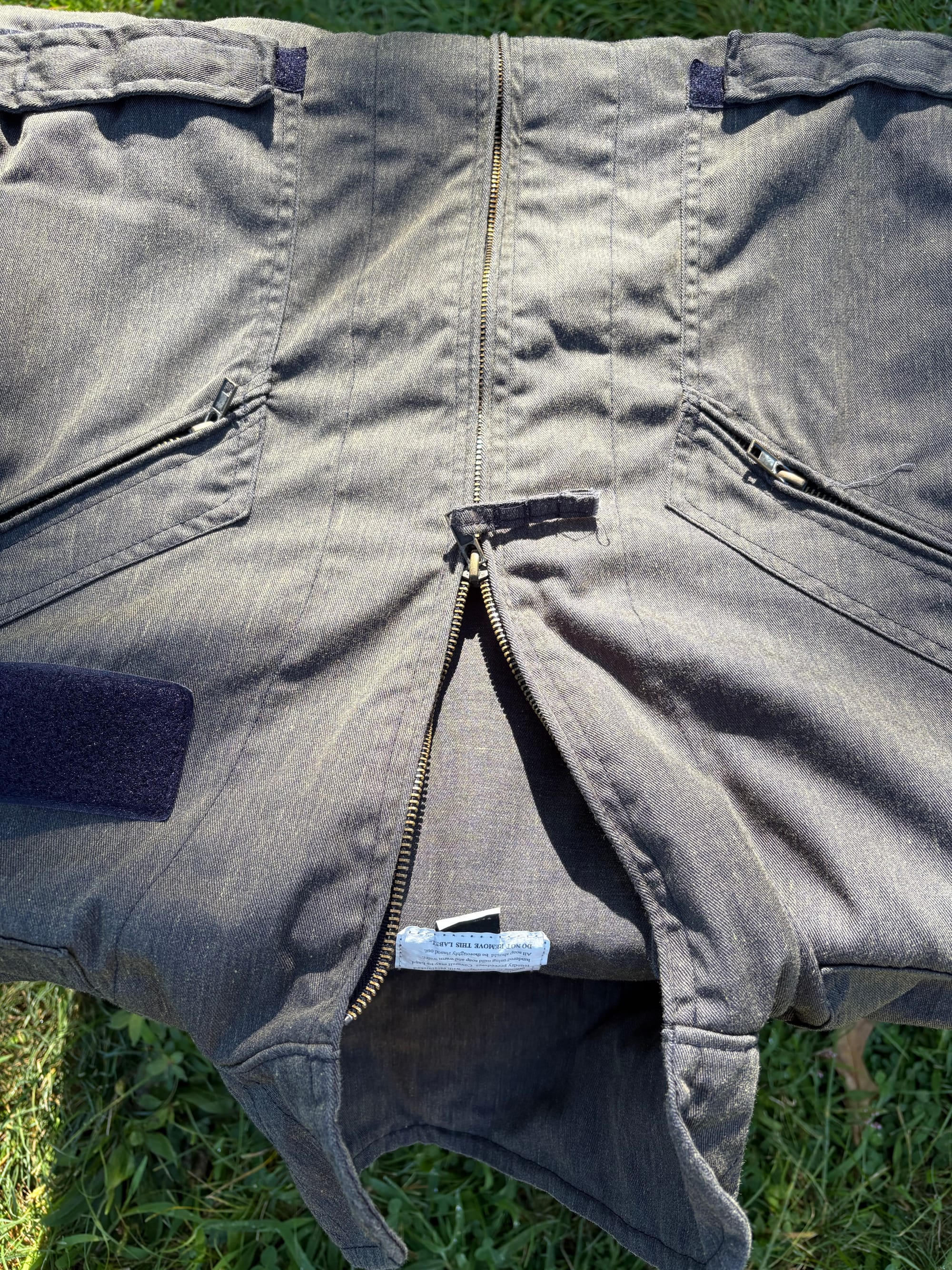
Throw it in your washer on hot again with the detergent and whitening agent. You’ll also want some laundry bleach; mine was concentrated, and I used about a 1/4 cup, just did a quick pour into my washer’s bleach reservoir. You don’t want to overdo this; we want some color left. Don’t do more than half a cup. Once the cycle is complete, give it a dry, and you’ll hopefully be left with a suit that is a medium gray with some hints of blue left in it, almost like grey acid-washed denim (but not splotchy).
Step 4: It’s Dye Time
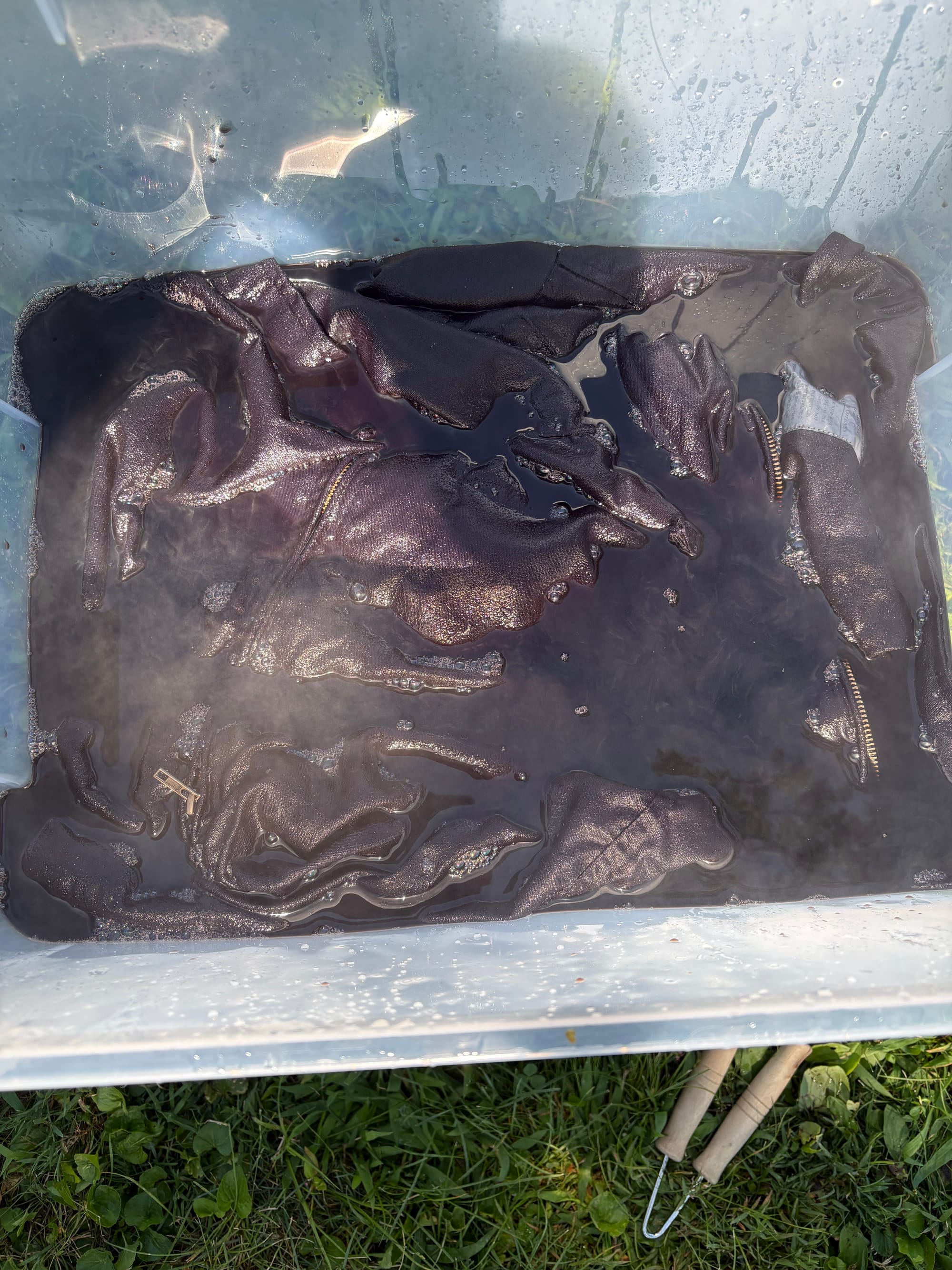
Okay, once again, boil 4 gallons of water. Add that to your bucket/tub and then dunk in your suit and stir it up to get it well soaked. Then push it aside, shake up your Rit charcoal grey dye, and add it to the water. Stir, stir, and stir some more. Get as much air out as possible, and we are once again going to leave it for about an hour, stirring occasionally and, once you can get your hands in there, agitate it with some gloves on.
Step 5: Make it stick.
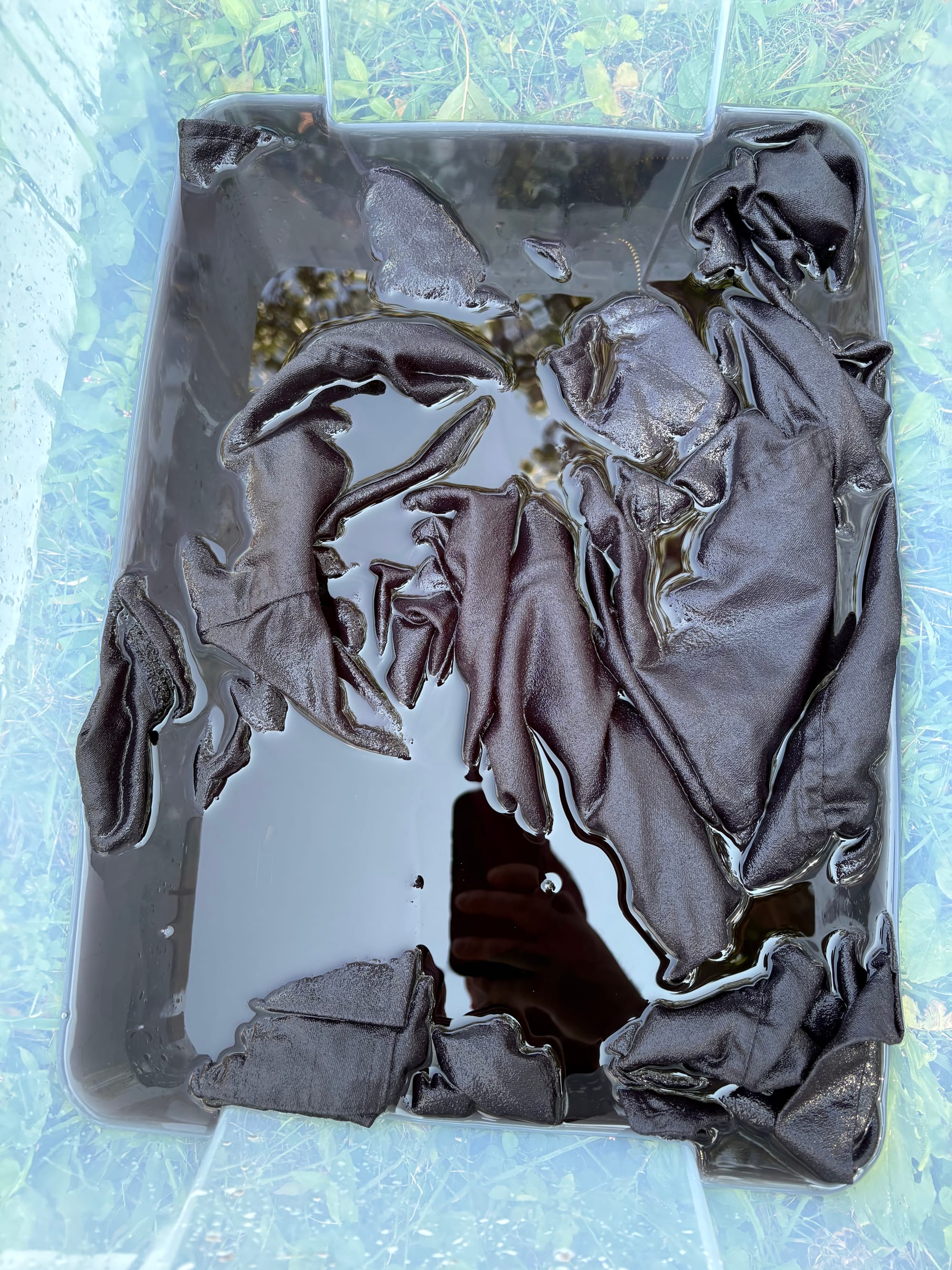
If you have a second bucket or tub that will fit the same 4 gallons and your suit, fill that with the hottest water your tap will give you and add an entire bottle of Rit Color Stay. If you don’t have a spare tub/bucket, grab your suit and let the excess run off, then give it a very light squeeze while pulling it out of the bucket. Set it aside, dump your tub, then fill it with water and Color Stay. Dunk the suit in the water and stir it up, keeping it in and stirring it lightly on and off for about 15 to 20 minutes or until the water cools off.
Step 6: Wash again
Once that is done, pull the suit out and let the excess run off again, then give it a light squeeze. Dump the tub and use it to carry your suit to the washer. Wash it on cold and with a small amount of detergent, then, of course, dry it.
You’re Done!
Hopefully now you have your very own Ghostbusters 2 charcoal grey suit. It may not be perfect, but you should have something nearly screen-accurate. As I mentioned at the beginning, it is unlikely you’ll ever have something 100% the same as the film. Not only does the original fabric reflect light in many interesting ways, but dyeing a polyester-cotton blend will never be the same as the original cotton ripstop fabric. Happy bustin’!
Comments ()